
orepiccole: thesmallmediacompany launches a series of essay films for the questions of the night, in six languages
thesmallmediacompany launches orepiccole, a series of six-to-seven-minute essay films on the questions that arrive at night: six youtube channels, one per language, in the founder's voice recreated with artificial intelligence. the trailer is online in five languages (portuguese coming soon), and the first film, «why are we afraid of being happy? the ring of polycrates», has been online since sunday, october 11.
thesmallmediacompany is launching orepiccole, a series of essay films for the questions of the night. orepiccole is on six youtube channels, one per language: the trailer has been online since october 8 and the first film came out on sunday, october 11. then a new film every wednesday and every sunday.
orepiccole.
there are hours, at night, when the world gets small and the questions get big. italians call them le ore piccole, the small hours. that’s where orepiccole begins.
short films to watch in bed or to listen to with your eyes closed: a whispering voice, engraved plates that barely move, a single light left on. each film starts from a question we all ask, usually when it’s late (why do we reach for the phone right when we’re happy? why do we push away the people who want us close?) and, instead of rushing to an answer, goes looking for someone who asked it long before us.
so stories we thought we didn’t know come back to the surface: a tyrant who throws his most precious ring into the sea, a letter arriving from egypt, a thought of pascal’s about sitting alone in a room. ancient stories, retold for the night: light in tone, serious in their sources, each one checked.
among the stories we’re working on:
- psyche’s lamp. why we push away the people who want us close. psyche lights a lamp at night to see her husband’s face, and a drop of hot oil makes him flee (apuleius, metamorphoses).
- schopenhauer’s porcupines. the right distance between people. on a cold winter’s day they huddle for warmth, prick each other, pull apart, until they find the measure (parerga and paralipomena, 1851).
- the sorcerer’s apprentice. why we get tired even doing what we love. the boy splits the broom with an axe and ends up with two (goethe, 1797, from a tale by lucian).
- blushing in the dark. why at night we replay something we said ten years ago. darwin was convinced we can blush even when no one can see us (the expression of the emotions, 1872).
no diagnoses, no recipes. just a question left burning, like a lantern on the nightstand, and a little more history and culture to carry into sleep.
from october 11, every wednesday and sunday night, in six languages.
the hours are small. the questions, big.
a thesmallmediacompany production.
the world this lands in
in the ten countries where orepiccole comes out in italian, spanish, german, french and portuguese, youtube reaches about 514 million people, seven in ten inhabitants; add the united states and the united kingdom and it is more than 830 million (thesmallmediacompany analysis of datareportal, digital 2026 mid-year global update, april 2026; for argentina, colombia, austria and portugal digital 2026, october 2025). in italy youtube reaches 42.4 million people, 76.8% of adults; in spain 87.5% of adults, in france 86.7%, in germany 84.4%; in brazil 149 million people (datareportal, april 2026).
youtube has become the evening’s television: in the united states in july 2026 it took 14.2% of all the time spent in front of the tv (nielsen, the gauge, july 2026); in brazil connected tv has overtaken the smartphone as youtube’s first screen at home (kantar ibope media for youtube, 2025).
philosophy told as stories has channels with millions of subscribers in english, like the school of life with 9.8 million; in the other languages no philosophy channel made for the night has more than ten thousand subscribers (thesmallmediacompany survey of youtube channels, 8 october 2026).
orepiccole comes in there, with a choice almost nobody makes: one channel per language, and in each language a film of its own. everything that is said is also written on screen, so every version is edited in its own language. the voice stays the same everywhere.
how it is made
research first, then scale. thesmallmediacompany isn’t trying to produce a lot: it’s trying to produce well, and then let super intelligence work at scale. the first film was built as a prototype. a fact-checker separate from the author checked every claim in the script against primary sources, the film went through eight versions in just over a day until alessandro said yes, and every voice take was transcribed back and compared word for word. then the same chain went to scale: just over an hour after the yes, the film was ready in six languages, and in a single night super intelligence engraved the plates for the first thirty films, 728 engravings for 360 scenes, each one checked.
the invisible team
behind every film there’s a chain of artificial intelligence agents, each with a single job, and none of them approves its own work. one drafts the script from the spirit of the series and another, separate from the author, checks every claim against primary sources; one rewrites the film in five other languages as if it had been born there and another listens back to the generated voice word by word. every engraved plate goes through an automatic check. for youtube, other agents read what people search for in each language, prepare titles and thumbnails, hunt for their flaws and read the numbers every week. each agent has a name taken from greek myth, chosen for its job. the last word, on every script and every release, is alessandro’s.
from the films' plates
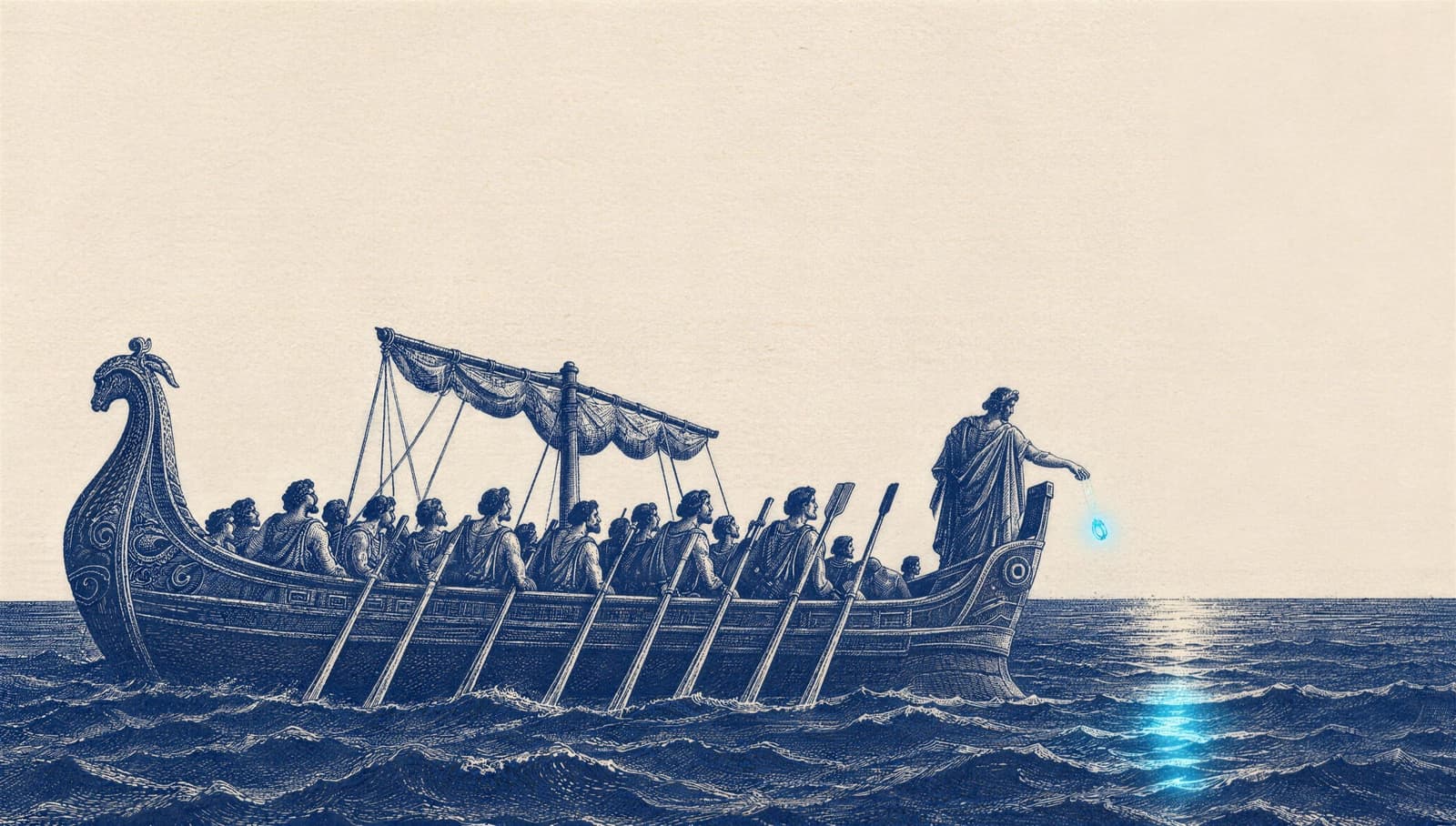
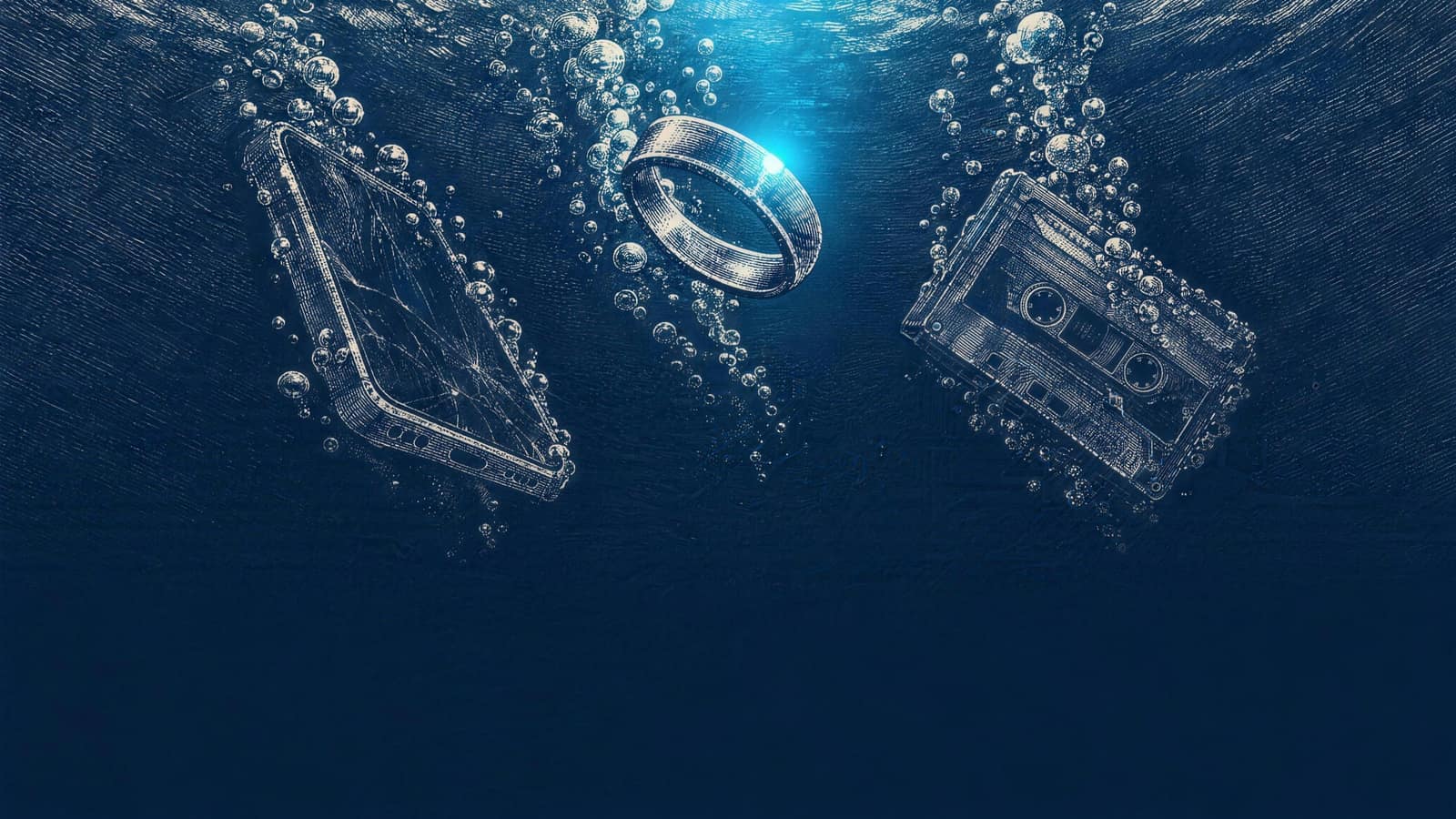

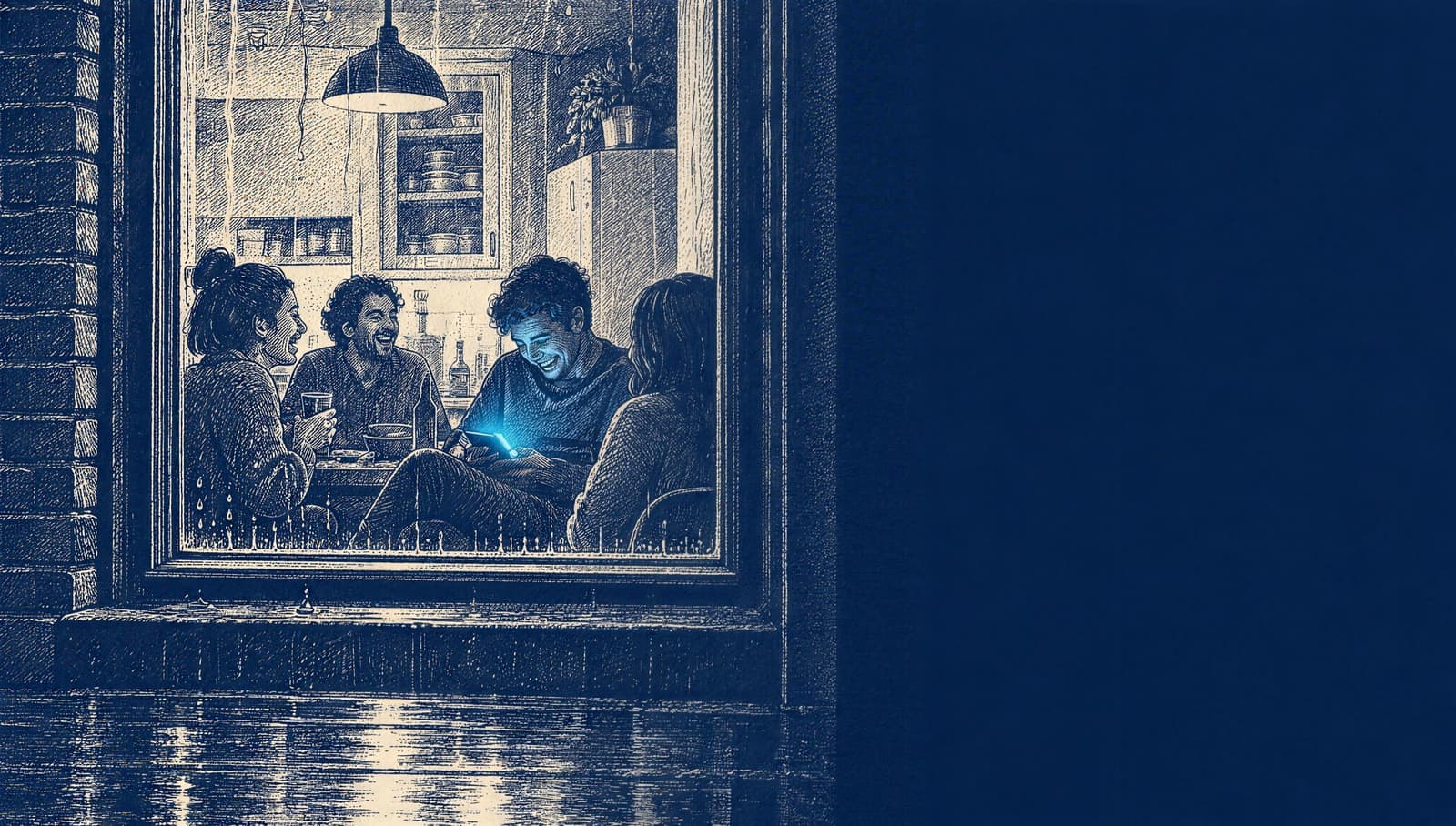
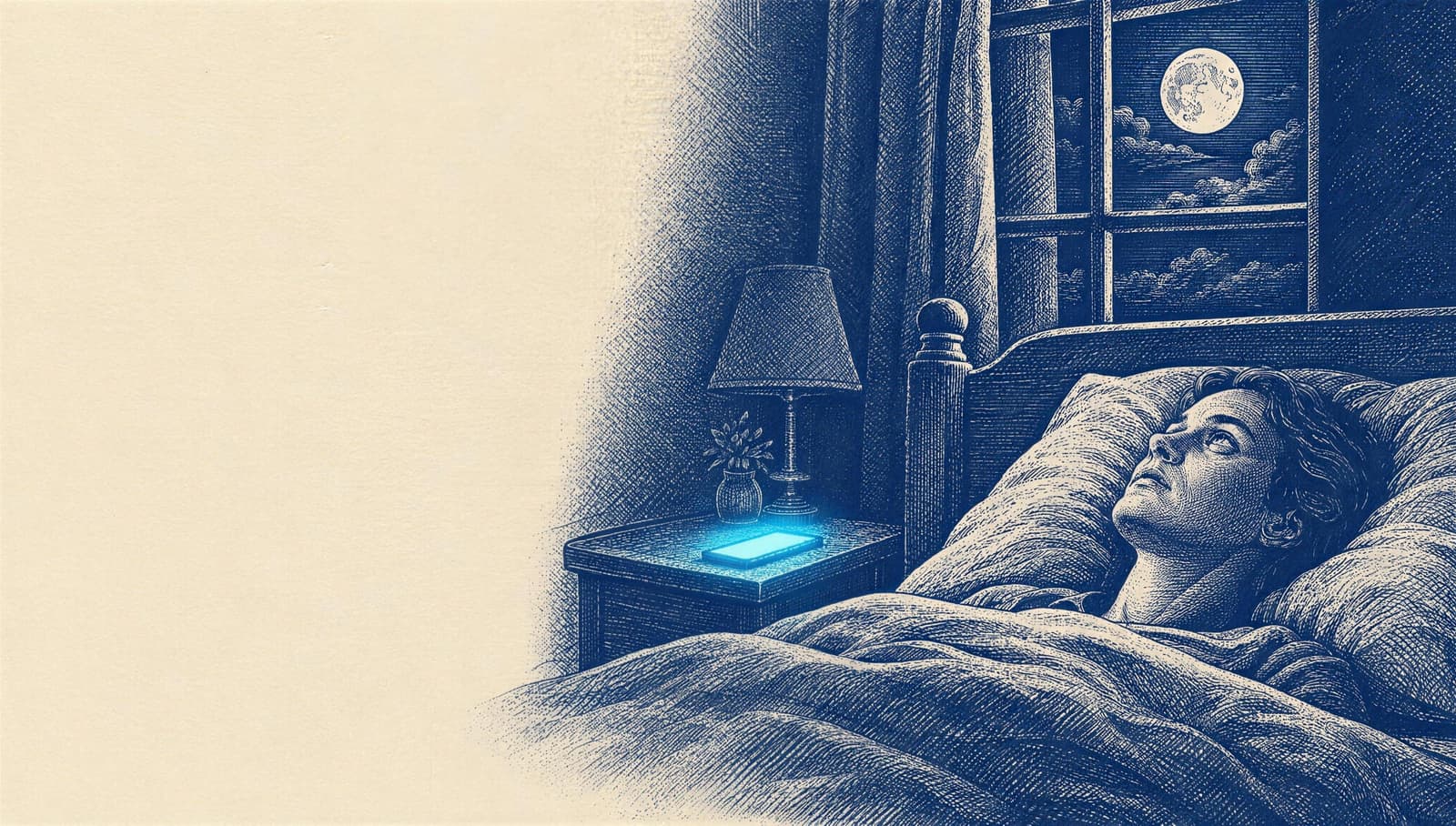


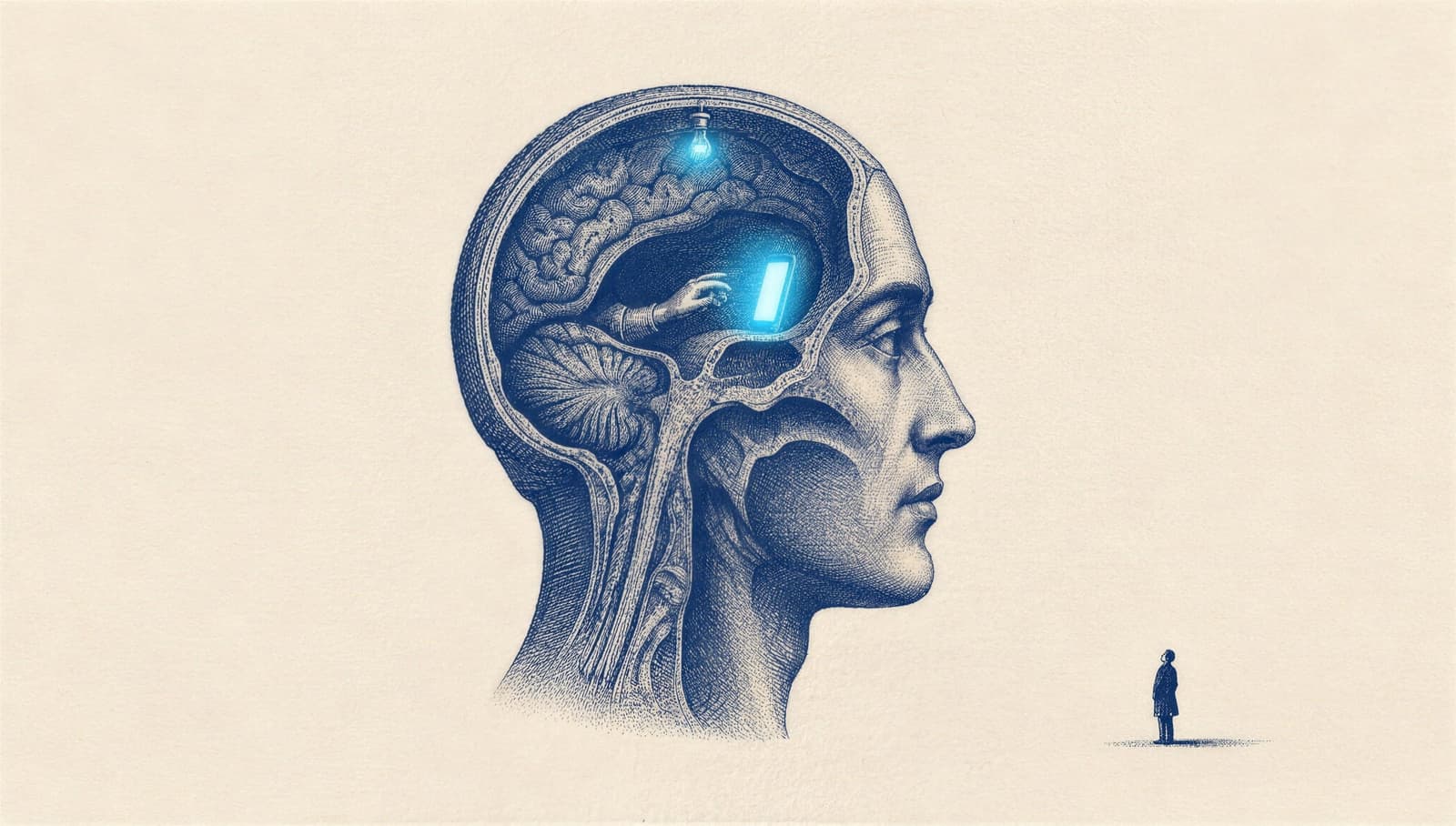
concept: alessandro facchini. art direction: claude (anthropic). plates generated with gpt image 2.5 on higgsfield and animated in code.
what it does not do
orepiccole is reflection and popular education, not therapy, and it does not take its place. it gives no personal advice and promises no solutions. it is not a news channel, and it does not chase the headlines.
the part we’re most careful about
“languages are no longer a wall. a voice recreated with artificial intelligence can now slow down, drop, hesitate, and change its expression in a way that’s almost indistinguishable from a human voice, in any language. for orepiccole we chose to make it whisper, in six languages, because these films are made to keep you company at night: not to keep you awake, but to keep you company.” — alessandro facchini, founder of thesmallmediacompany
language is no longer a wall: since february 2026 youtube dubs automatically into 27 languages, and creators who publish audio tracks in several languages get on average more than a quarter of their watch time from viewers of other languages (youtube, september 2025 and february 2026; company statement). orepiccole goes further: no dubbing, a film rewritten for each language.
the voice. in every film alessandro facchini speaks, but his voice is recreated with artificial intelligence, and we say so in the law’s words, like every disclosure thesmallmediacompany makes.
where this goes
six languages together, two films a week. the first, out on sunday, october 11, is «why are we afraid of being happy? the ring of polycrates». from january 2027 the films can be licensed in packages, for schools and companies looking for short, serious material on wellbeing, work and meaning. then instagram and tiktok, with the same owl.
watch the first film: in english · in italiano
watch it on youtube: orepiccole · english · orepiccole · italiano
source: thesmallmediacompany survey of the channels' public youtube pages, 8 october 2026
download the press release
press
questions, interviews, assets — write to press@thesmallmediacompany.com. we answer people, not tickets.
about thesmallmediacompany — an ai-driven, one-person media company based in milan, italy. it builds publishing, media and voice experiences designed to hand people back to themselves, and turns the same craft into ai that connects for companies. founded by alessandro facchini in 2024.